Object Cleanup
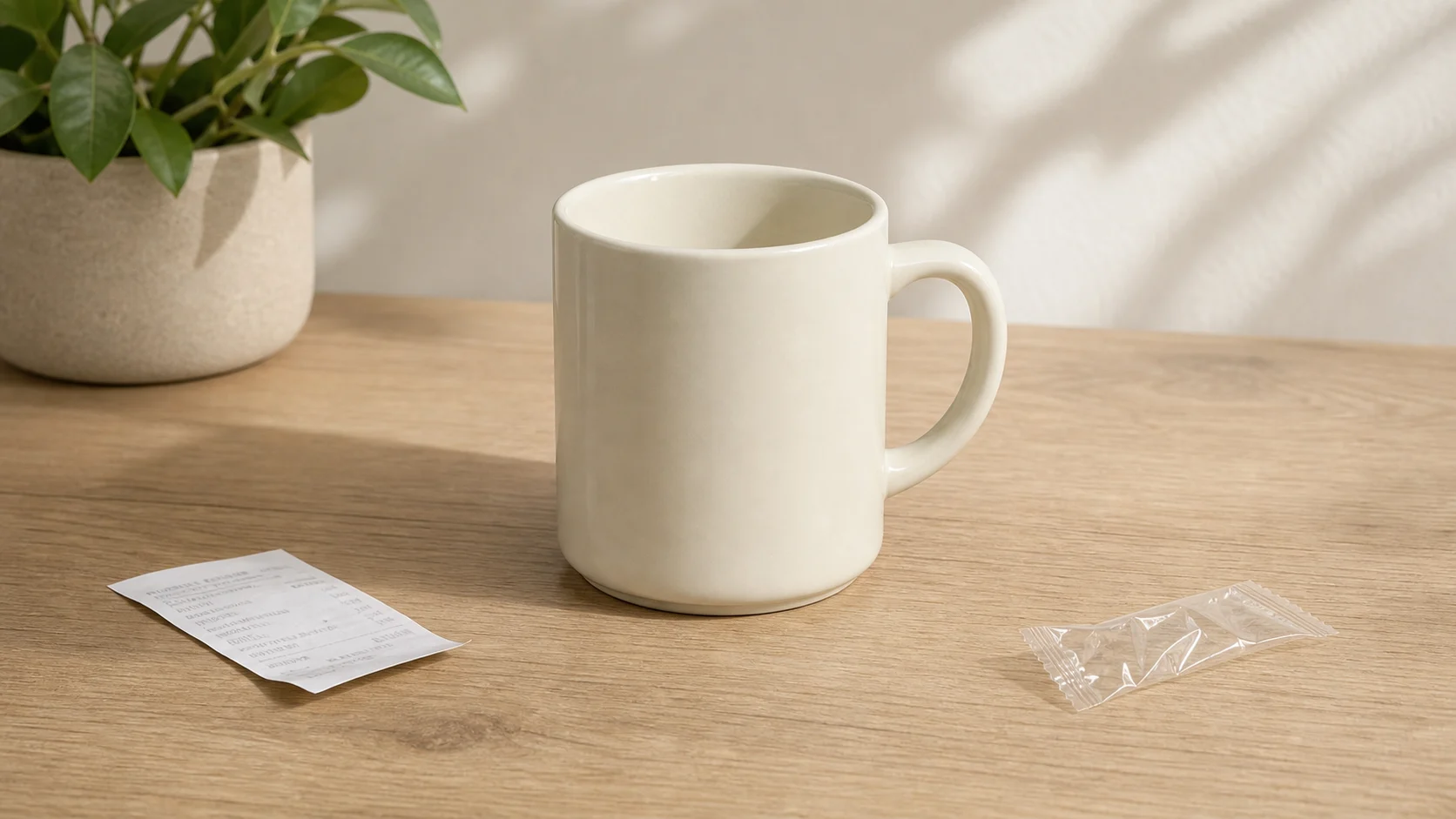
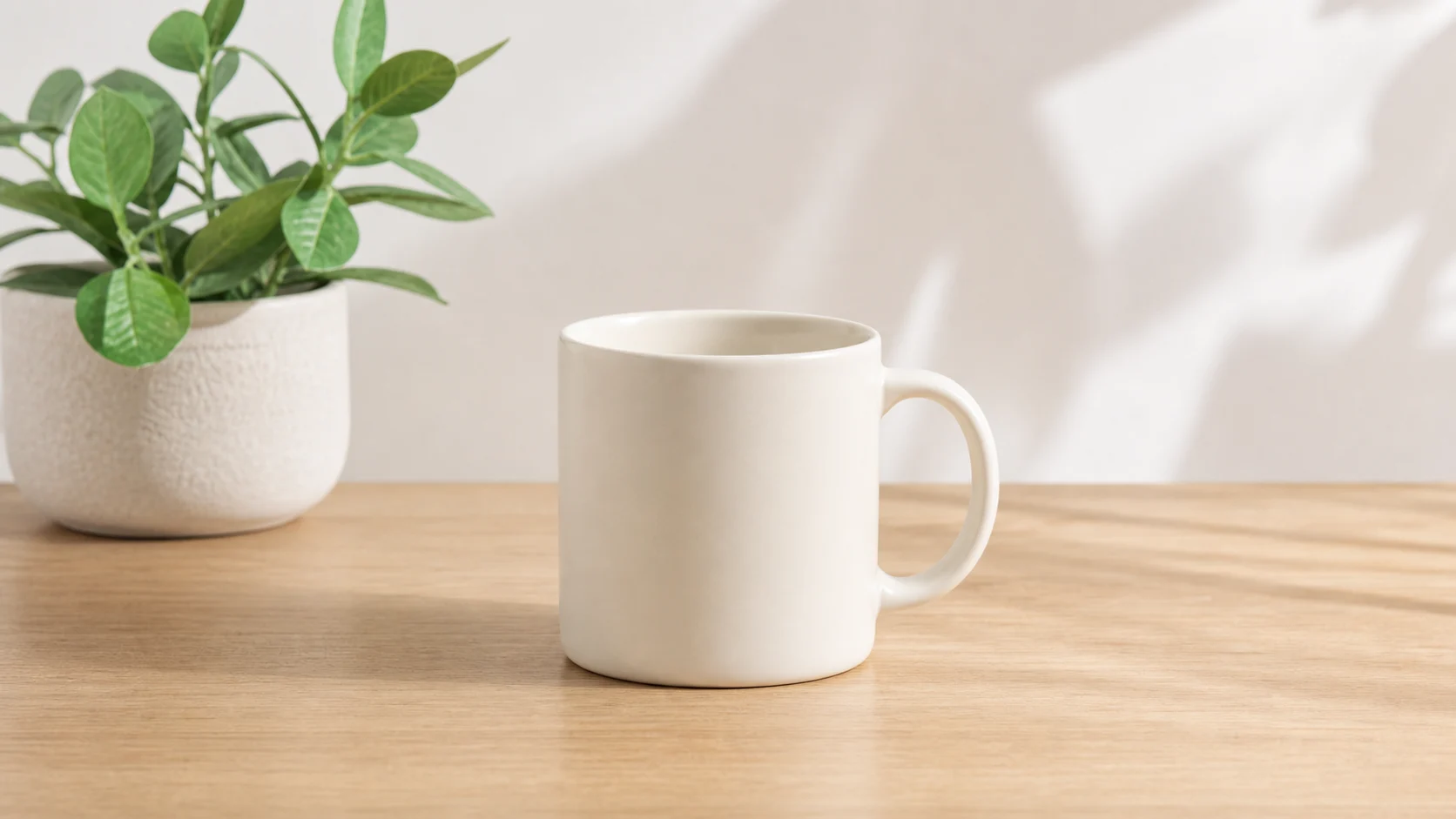
Use this promptKeep the ceramic mug, table surface, camera angle, and soft daylight unchanged. Remove the loose receipt and small plastic wrapper, then rebuild the tabletop texture and natural shadows.
Upload an image, describe the edit, and create polished visuals for products, social posts, posters, or keyframes.
Upload an image and ask for a clean studio setup, lifestyle scene, product shelf, or campaign background while keeping the main subject recognizable.
Use prompt-based AI photo editing to improve lighting, stage products, create scene variants, and prepare ecommerce images without starting from a blank canvas.
Turn a draft, product image, poster concept, or social visual into a new art direction while preserving the subject and composition you care about.
Edit a still image into a cleaner first frame, storyboard panel, thumbnail, or campaign keyframe before moving into image-to-video workflows.
Compare source images with edited outputs for practical online AI image editor workflows. These examples are separate from the feature overview and show focused prompt patterns you can adapt.
Keep the ceramic mug, table surface, camera angle, and soft daylight unchanged. Remove the loose receipt and small plastic wrapper, then rebuild the tabletop texture and natural shadows.
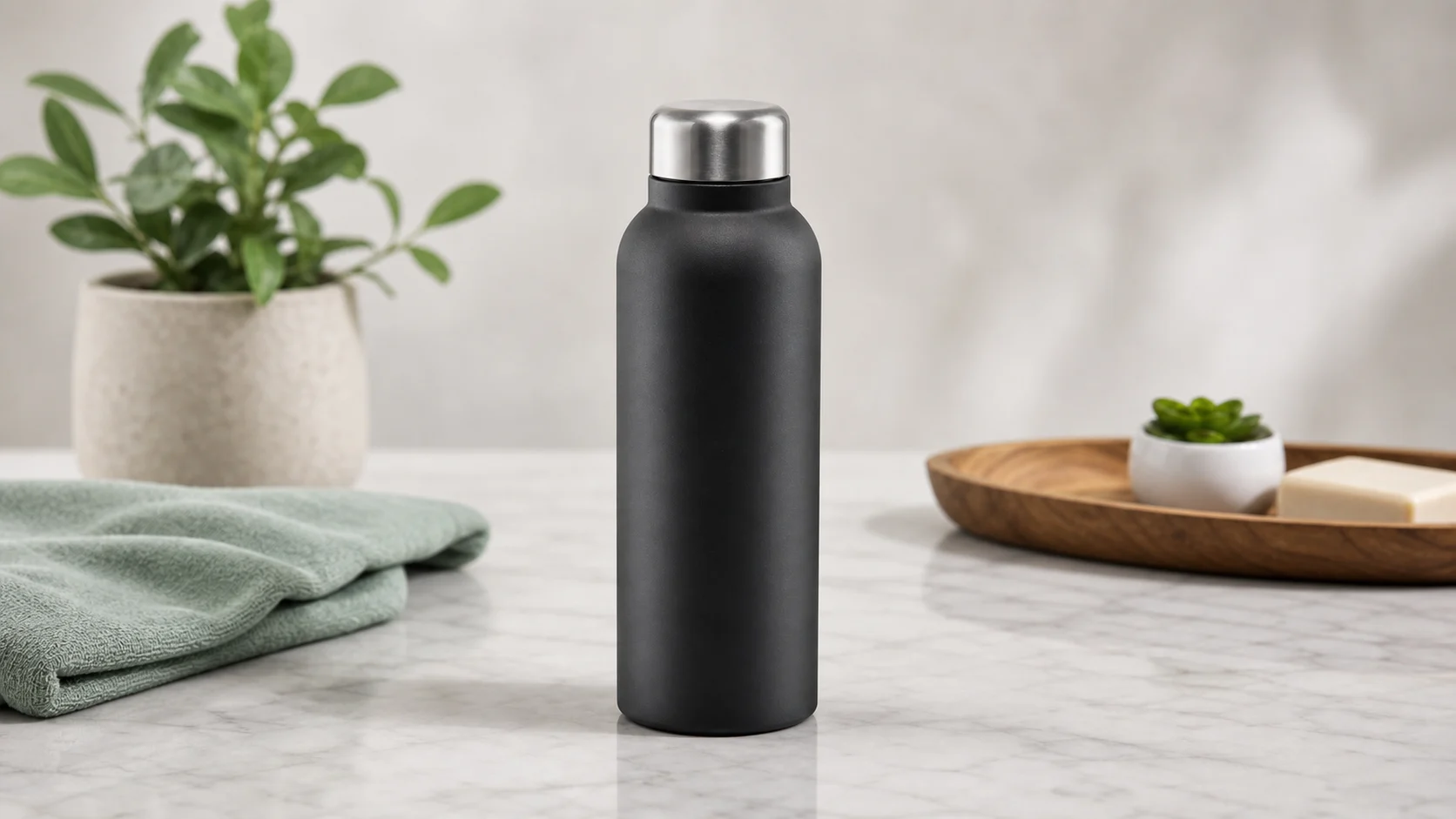
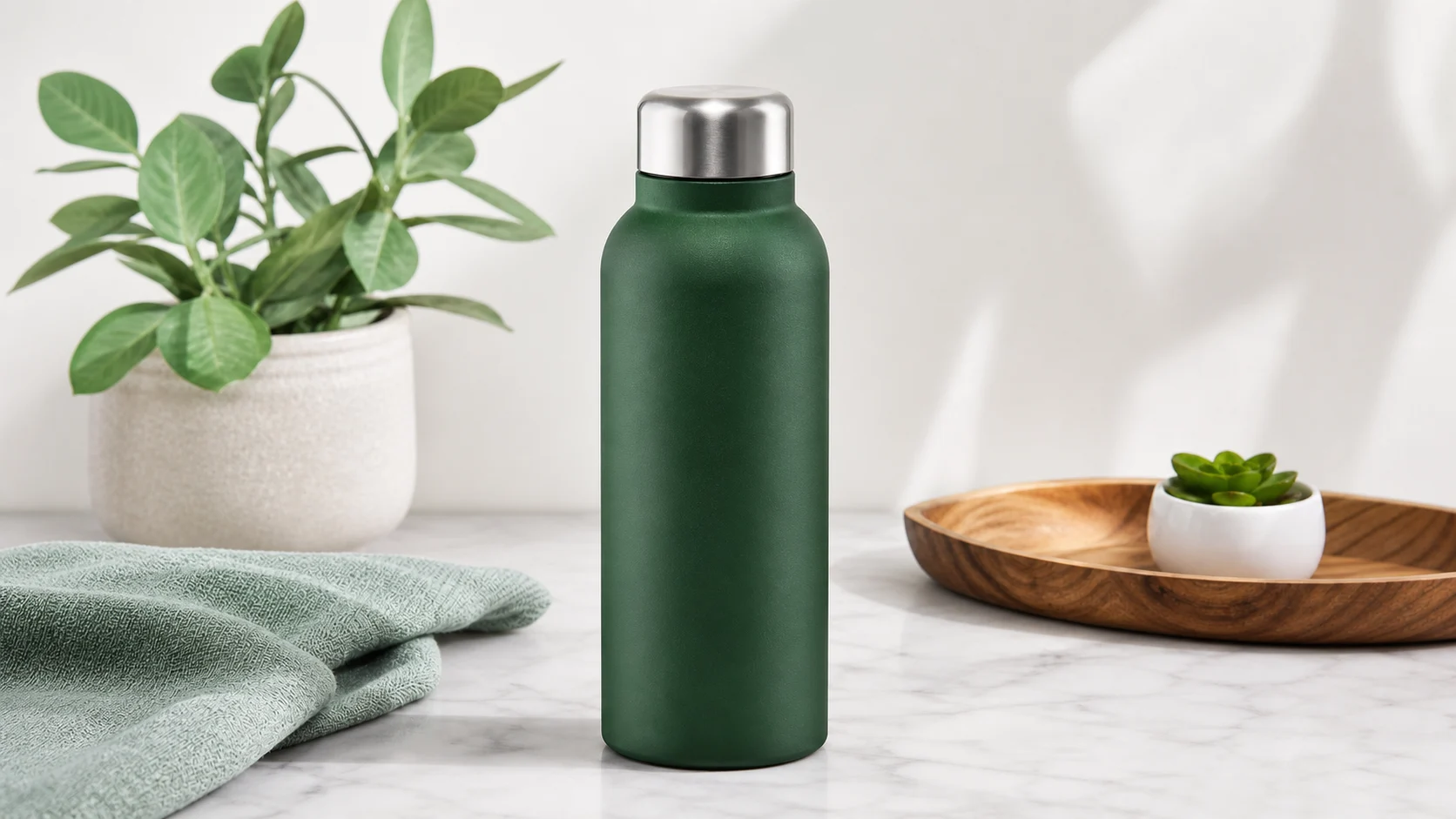
Keep the bottle shape, cap, label-free surface, reflection, and studio lighting unchanged. Change only the matte product body from charcoal black to deep forest green.
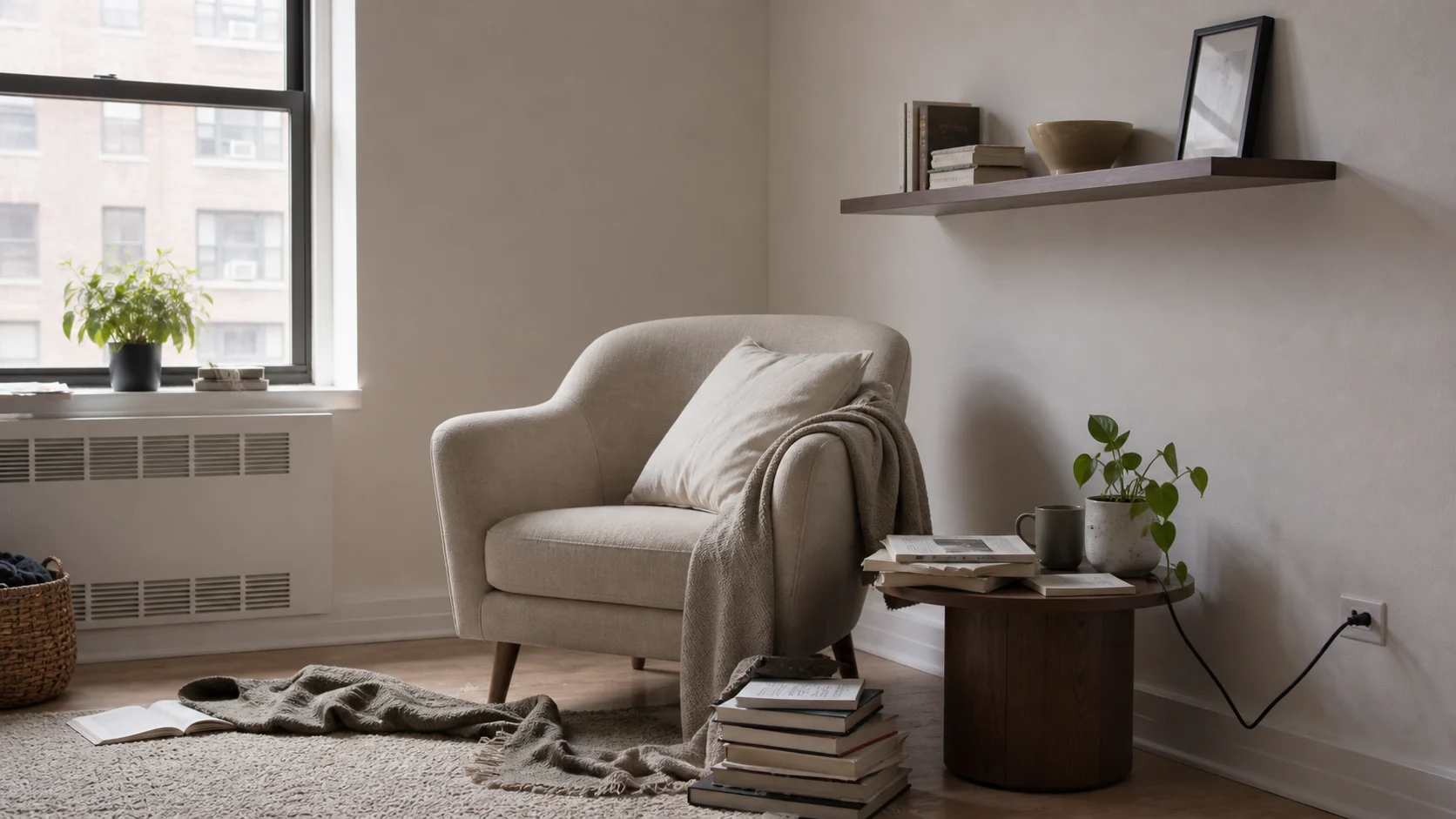
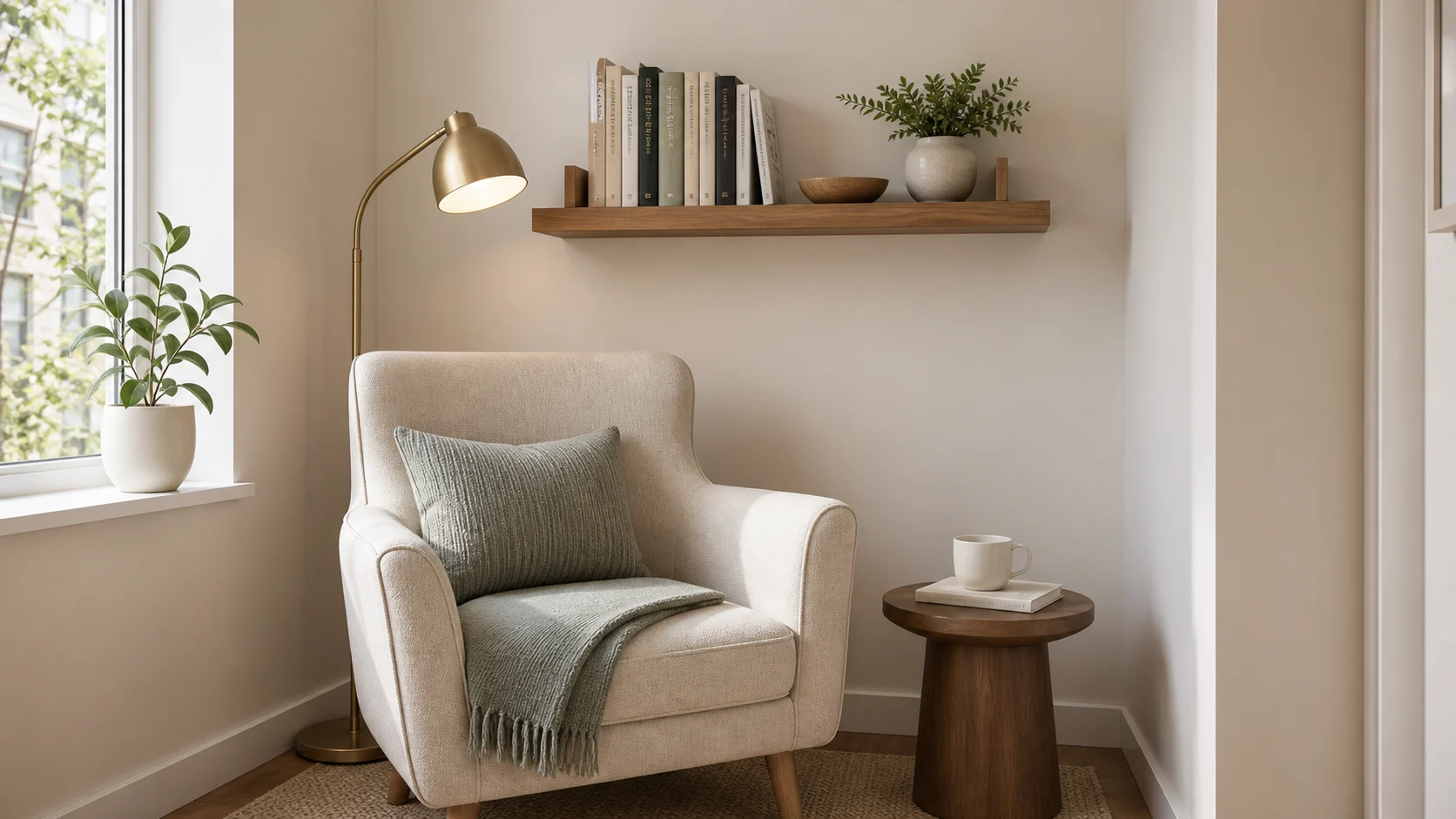
Keep the window, wall color, chair, shelf position, and perspective unchanged. Remove clutter, add a tidy plant and warm reading lamp, and make the space feel ready for a lifestyle shoot.
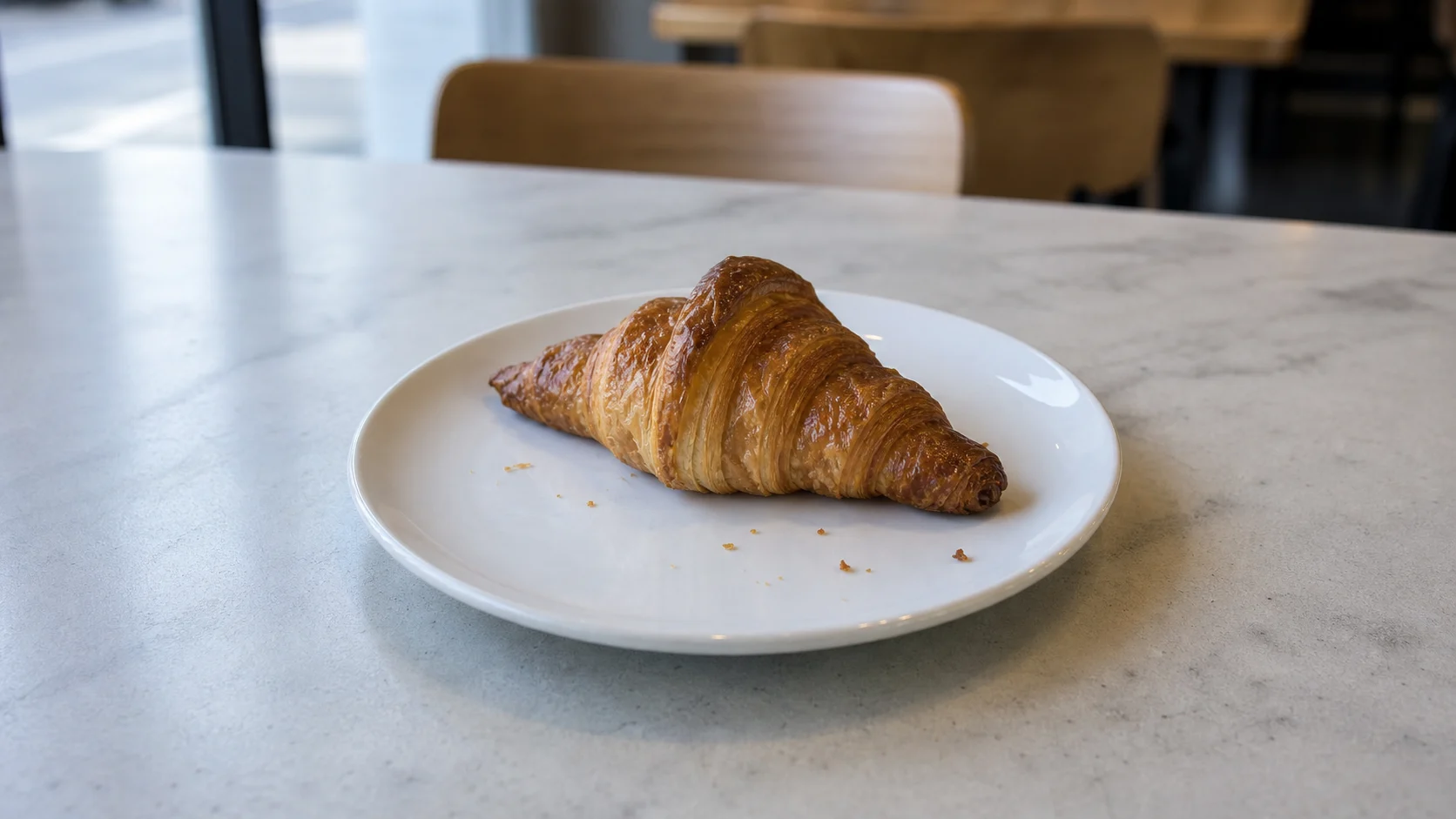
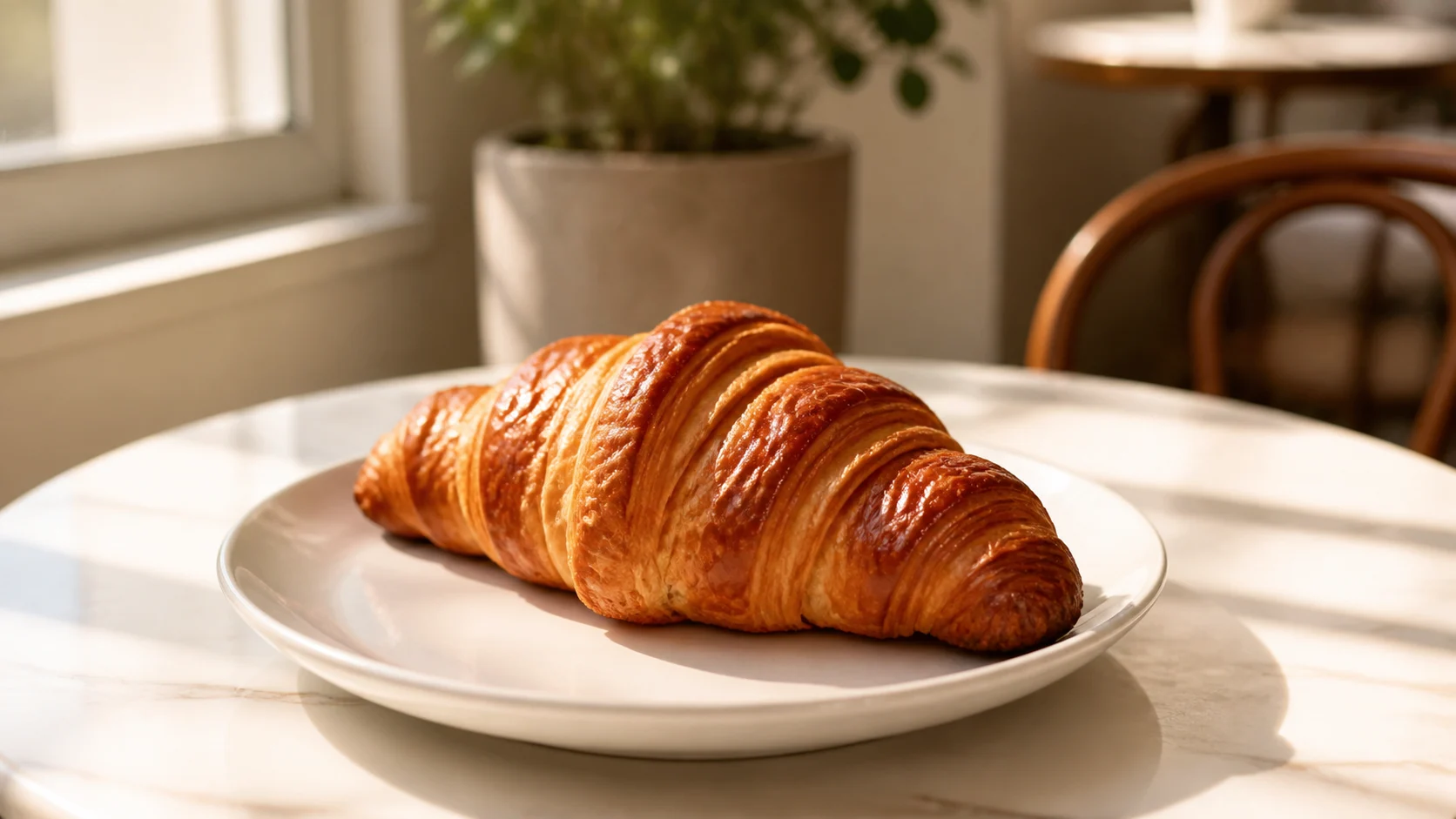
Keep the pastry shape, plate, table, and crop unchanged. Add warm window light, reduce harsh shadows, improve the glaze highlights, and keep the scene natural without adding text.
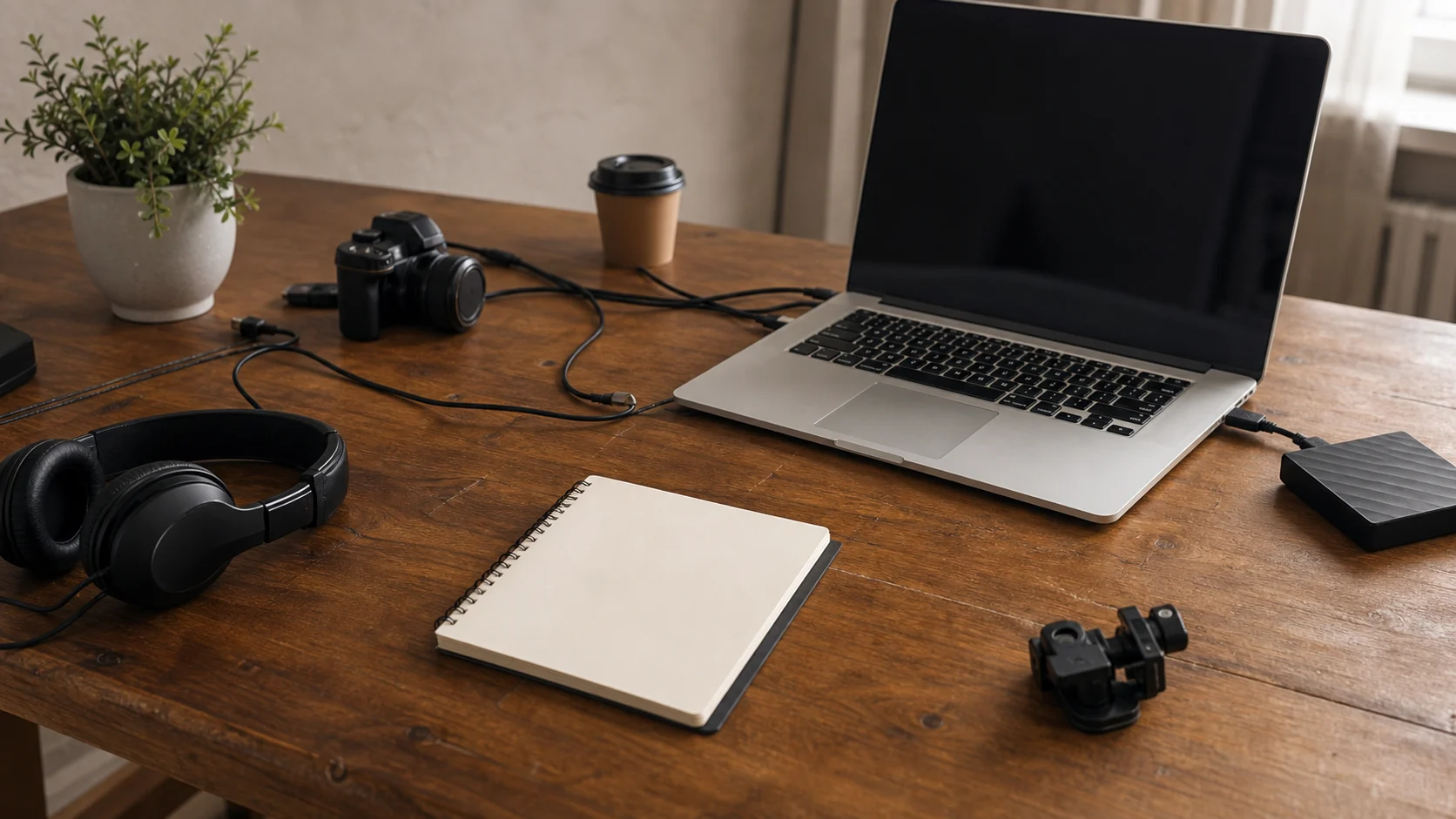
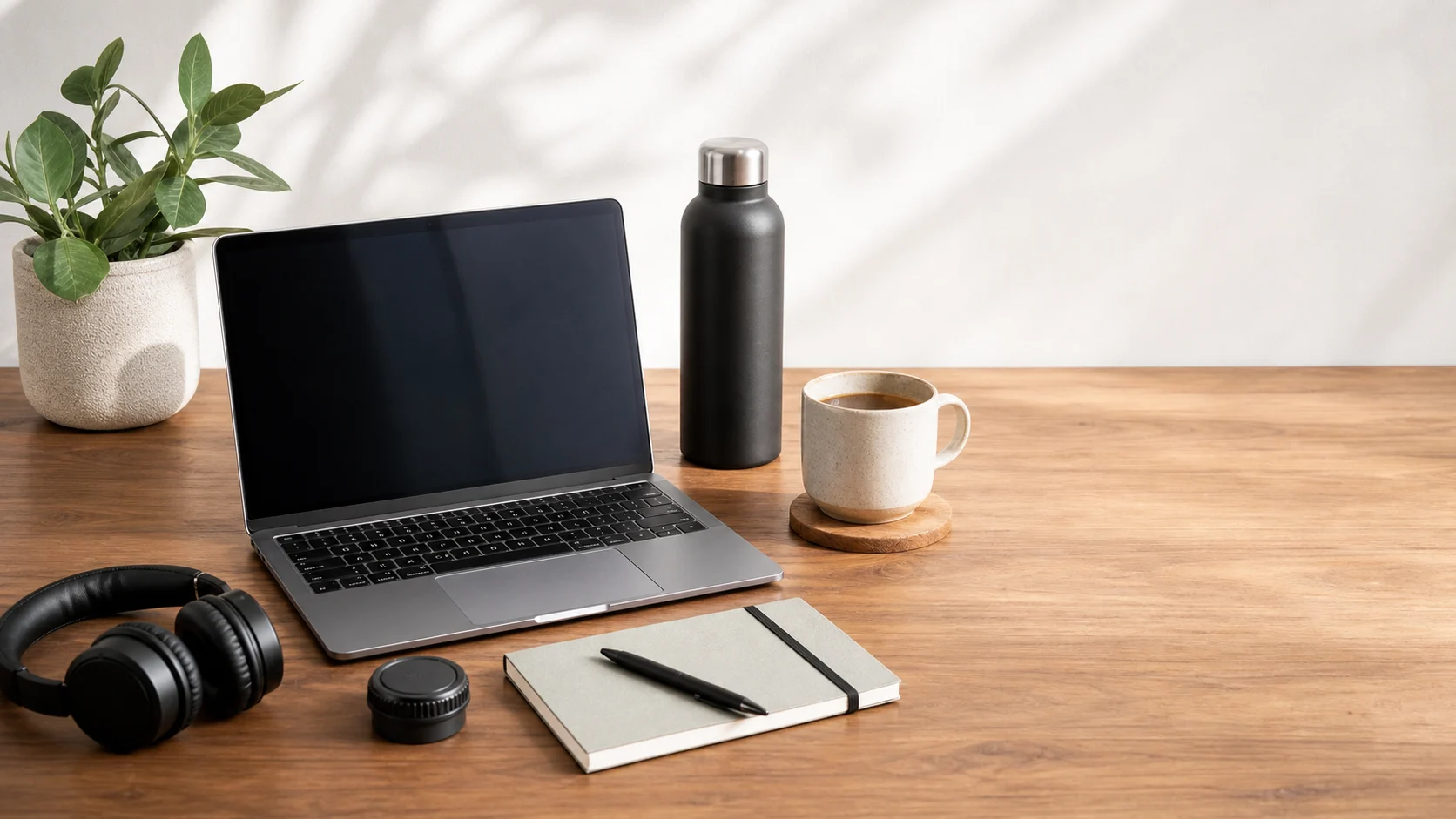
Keep the laptop, headphones, desk objects, and daylight mood. Reframe the image into a cleaner 16:9 social thumbnail with the main workspace centered and clear negative space on the right. Do not add text.
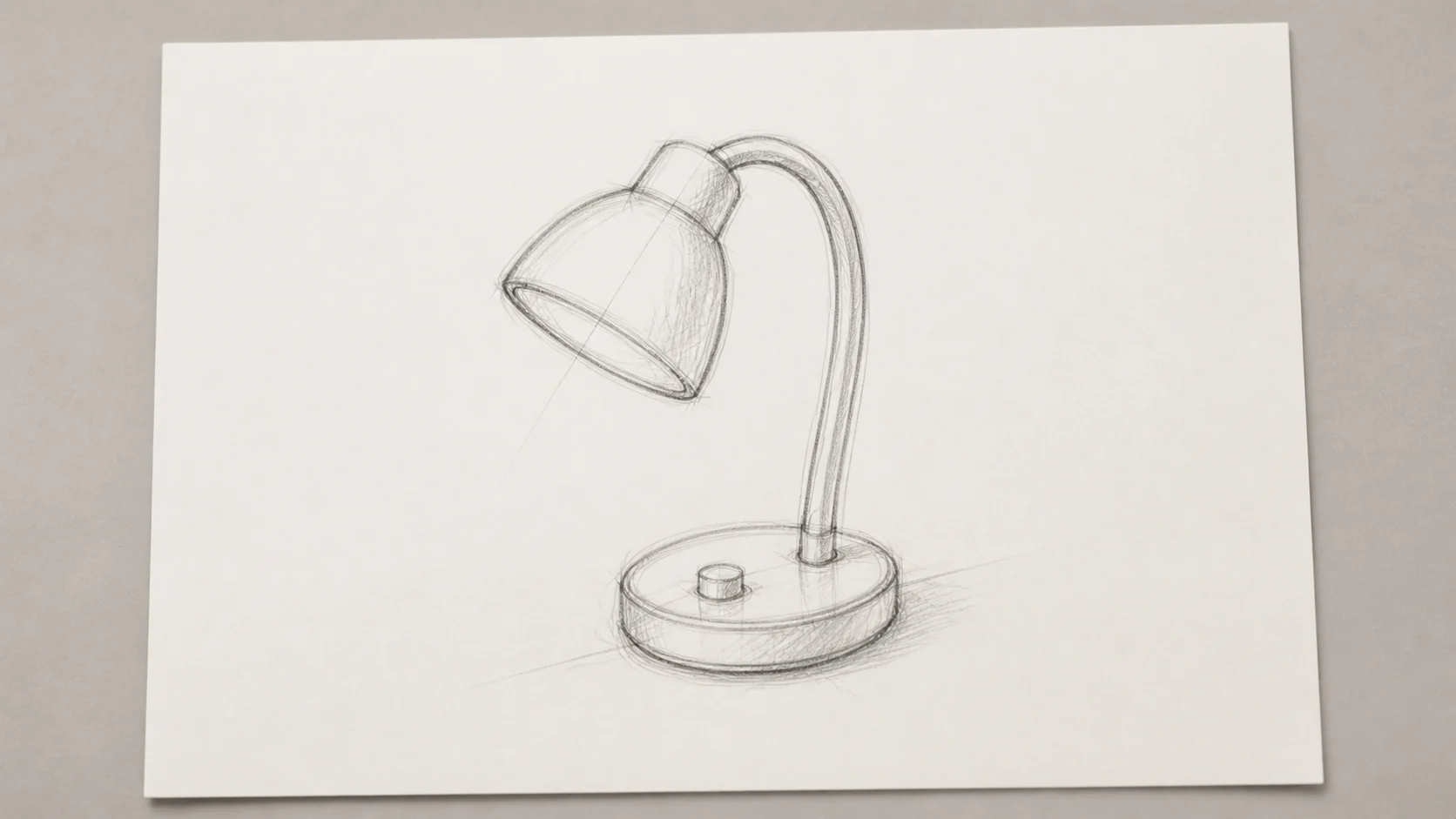
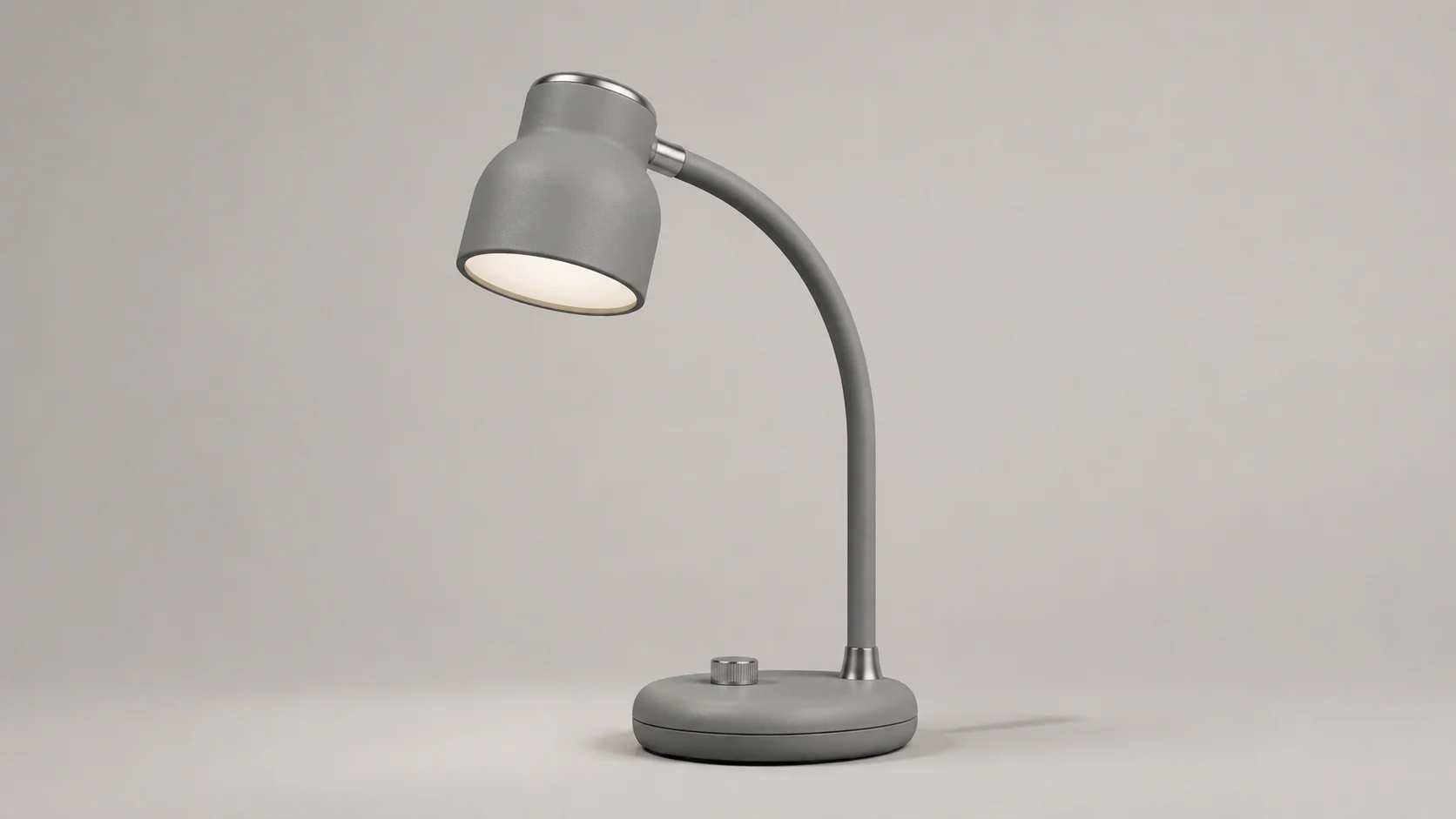
Use the uploaded pencil sketch as the structure. Preserve the silhouette, handle angle, and proportions, then render it as a clean matte desk lamp concept on a neutral studio background.
Start with a clear source image. Name the subject, product shape, room layout, crop, or sketch lines that the AI image editor should preserve before changing anything else.
Ask for one specific change, then choose GPT Image 2 or another available image model. Focused prompts make AI image editor with prompt workflows easier to compare.
Review the before and after result for subject preservation, lighting, edges, and composition. Refine one prompt detail at a time instead of rewriting the whole request.
The ai image editor SERP is tool-led: users want upload, prompt, model choice, examples, and clear limits. LumiYing focuses on practical image edits that can continue into larger creator workflows.
Write the edit you want in natural language. The page targets AI image editor with prompt intent and guides users toward focused prompts rather than vague one-click edits.
Use AI photo editor workflows for product photos, social creatives, thumbnails, poster drafts, ecommerce scenes, and reference images for later video generation.
After editing a still image, continue into image-to-video, scene generation, storyboards, or model-specific image workflows without switching platforms.
An AI image editor changes an existing image using model-generated edits. You upload a reference image, describe what should change, and generate a new version with the requested background, style, cleanup, or composition.
Upload the image, write one clear prompt, choose an image model, and generate. Good prompts name what must stay unchanged and what should change, such as the background, lighting, object placement, or visual style.
You can open the page and prepare prompts freely. Actual AI generation may require signing in and using credits depending on the selected model and settings, so we avoid promising unlimited free image editing.
Common AI image editing tasks include background replacement, object cleanup, product photo staging, style transfer, image expansion, poster concepts, thumbnails, and still frames for later video work.
The best choice depends on the asset. LumiYing is useful when you want prompt-based edits, reference-image workflows, model choice, and a path from edited still images into AI video or scene workflows.
It can help, but the prompt should be explicit. Tell the model to keep the product shape, label, color, proportions, and key details unchanged while editing the background, lighting, or scene.
Yes. A polished edited still can become a start frame, storyboard panel, thumbnail, or product keyframe before you move into image-to-video generation.
Start with GPT Image 2 for prompt-following and reference-image edits. Use other available image models when you need a different style, resolution, or model-specific look.
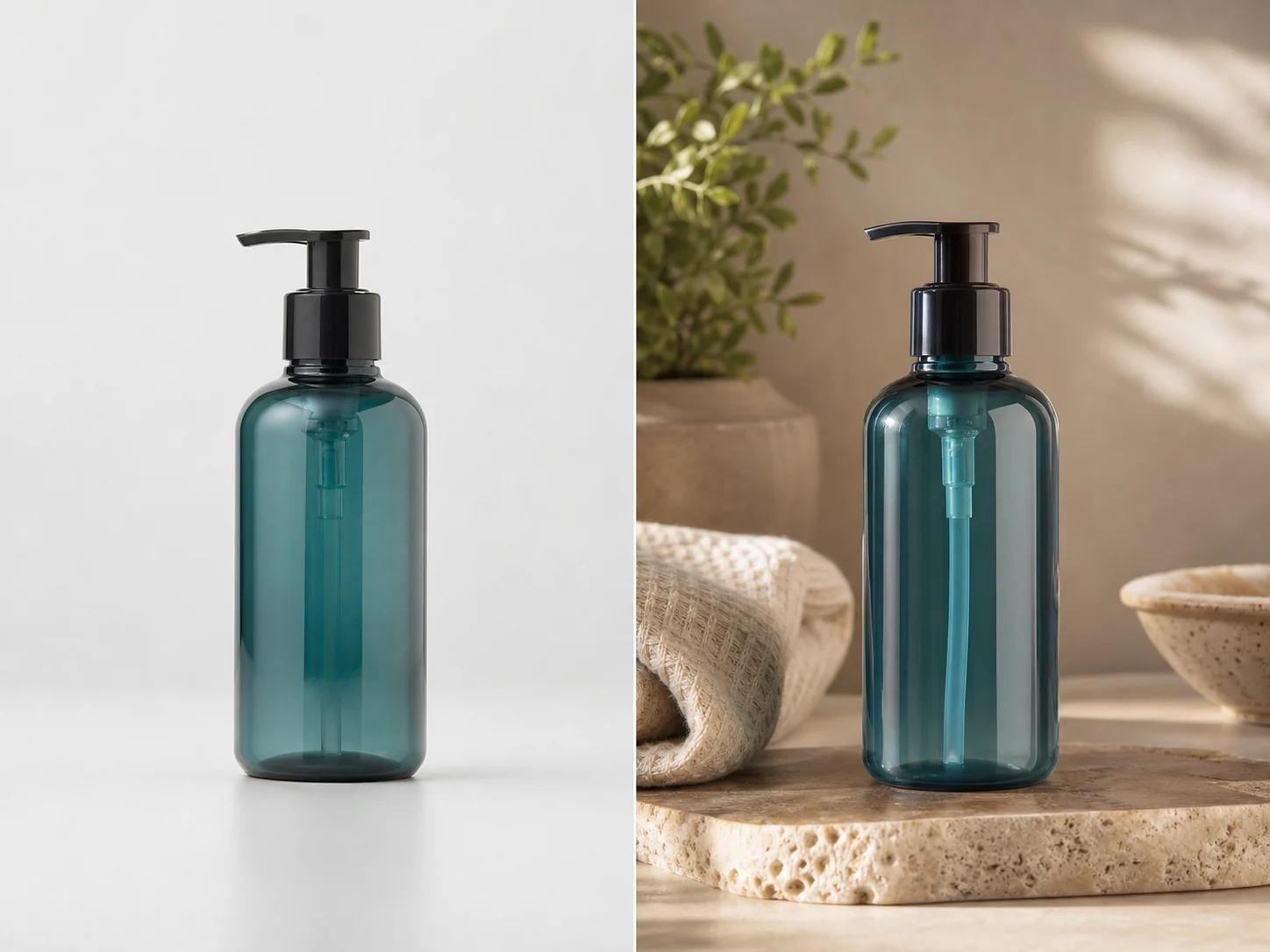
Learn prompt patterns for background changes, product photos, cleanup, and keyframes.
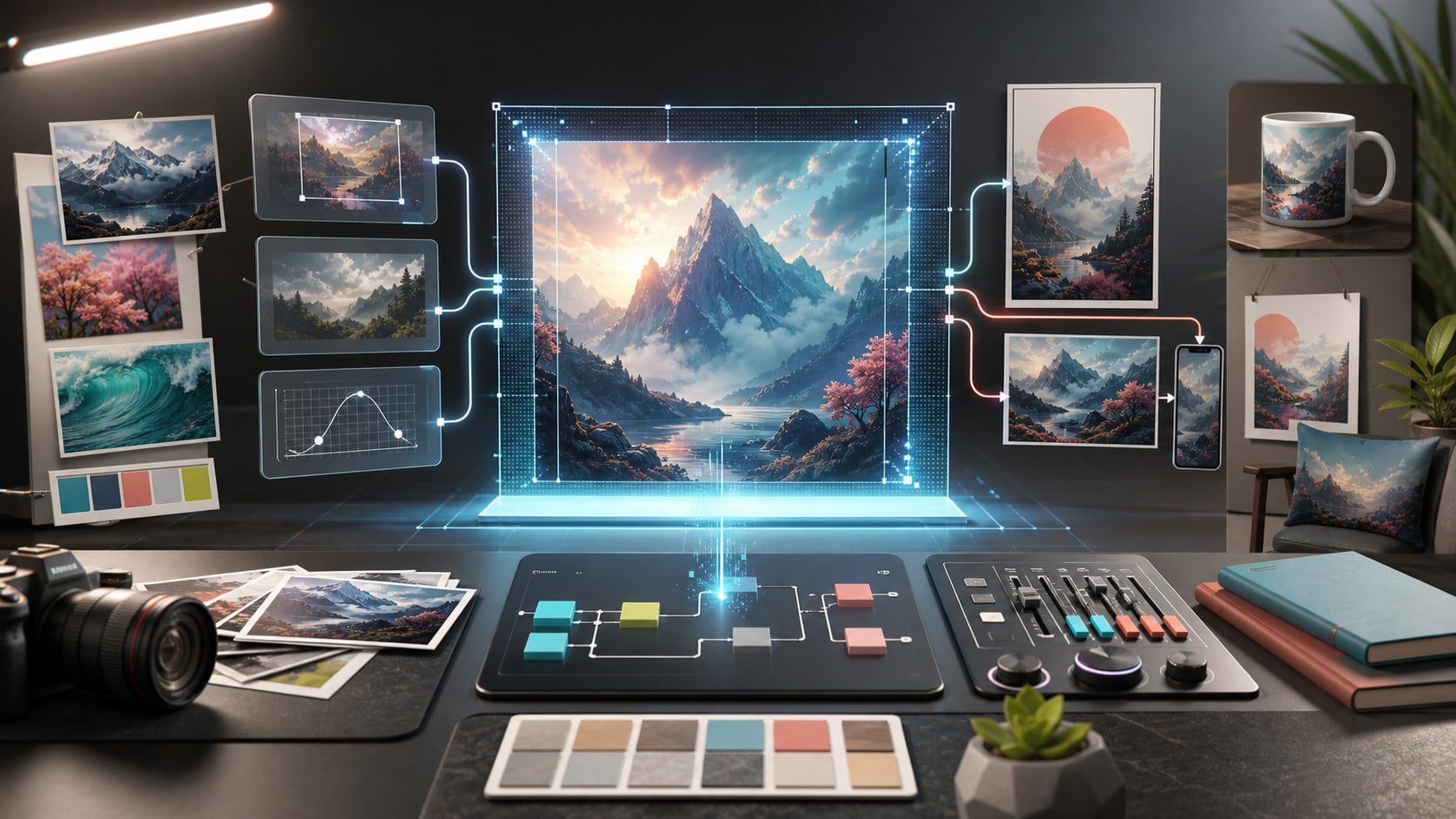
Write stronger prompts and use reference images with GPT Image 2 on LumiYing.
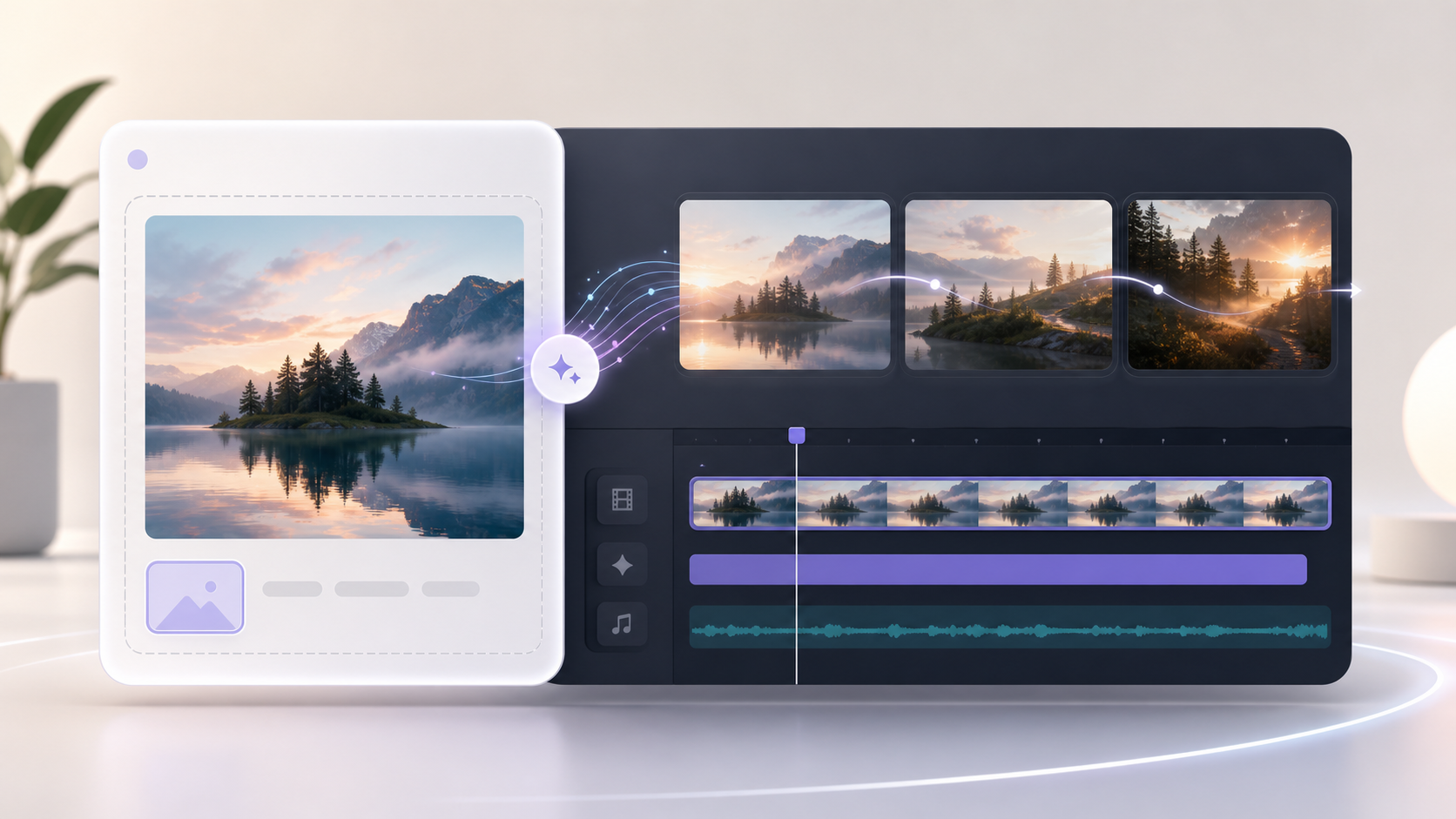
Turn an edited still image into a short AI video clip.
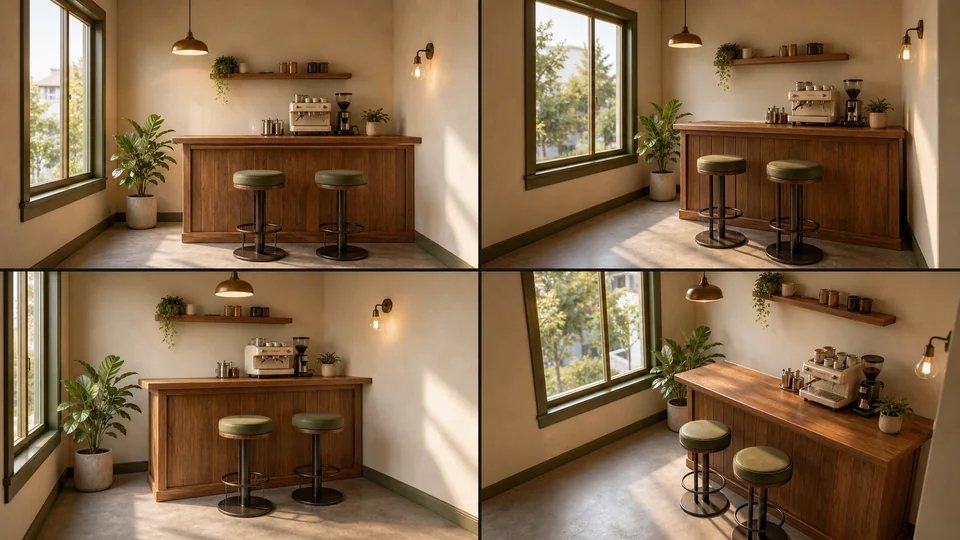
Create scene references after editing a product, environment, or campaign frame.
Open LumiYing in image mode, upload a reference image, and write the edit you want to generate.